#===============================================================================
# BROKER
#===============================================================================
# Description: The Broker is responsible for:
# - Exporting centralized logs of all Shinken daemon processes
# - Exporting status data
# - Exporting performance data
# - Exposing Shinken APIs:
#   - Status data
#   - Performance data
#   - Command interface
#==========================================================================
# BROKER
#===============================================================================
# Description: The broker is responsible for:
# - Exporting centralized logs of all Shinken daemon processes
# - Exporting status data
# - Exporting performance data
# - Exposing Shinken APIs:
#   - Status data
#   - Performance data
#   - Command interface
#===============================================================================

define broker {

# Shinken Enterprise. Lines added by import core. Do not remove it, it's used by Shinken Enterprise to update your objects if you re-import them.
    _SE_UUID            core-broker-060340145ade11e5b703080027f08538
    _SE_UUID_HASH       8e00136f9e61061e07ca0f4a63509b68
# End of Shinken Enterprise part

    #======== Daemon name and address =========
    # Daemon name. Must be unique
    broker_name               broker-master

    # IP/fqdn of this daemon (note: you MUST change it by the real ip/fqdn of this server)
    address                   localhost

    # Port (HTTP/HTTPS) exposed by this daemon
    port                      7772

    # 0 = use HTTP, 1 = use HTTPS
    use_ssl	                  0


    #======== Master or spare selection =========
    # 1 =============

define broker { is a spare, 0 = is not a spare
    spare                     0

    #======== Daemon name and address ========= spare_daemon: name of the daemon that will take this daemon job if it dies
    # IMPORTANT:
    # Daemon name. Must be unique
    broker_name    * a spare_daemon can only be the spare of 1 (and only one) master daemon
    #   * a spare_daemon cannot have  broker-master
a spare_daemon
    # IP/fqdn of this daemon (note: you MUST change it by the real ip/fqdn of this server)
   * the spare must have modules with the same module_type as the master
    #    address - depending of the value of the broker__manage_spare__spare_must_have_the_same_list_of_module_type parameter
    # Example: spare_daemon    localhost

    # Port (HTTP/HTTPS) exposed by this daemonbroker-spare
    portspare_daemon

    # 1 =  (default) the spare defined with spare_daemon must have the same module_type as this  7772
master
    # 0 = usethe HTTP, 1 = use HTTPS
spare module_type are not checked
     use_ssl	            # broker__manage_spare__spare_must_have_the_same_list_of_module_type      01


    #======== Master or spare selection Daemon connection timeout and down state limit =========
    # 1timeout: =how ismany aseconds spare,to 0consider =a isnode not a sparedon't answer
    spare                 timeout    0

    # spare_daemon: name of the daemon that will take this daemon job if it dies3

    # IMPORTANTdata_timeout:
 how many second #to   *consider a spare_daemonconfiguration cantransfer onlyto be the sparefailed
 of 1 (and only# one)because masterthe daemon
network bandwidth is too #small.
   * a sparedata_daemontimeout cannot have a spare_daemon
    #   * the spare must have120

 modules with the same# module_type as the master
    # max_check_attempts: how many fail check to consider this daemon as DEAD
    -max_check_attempts depending of the value of the broker__manage_spare__spare_must_have_the_same_list_of_module_type parameter 3

    # Example: spare_Check this daemon every X seconds
    check_interval            broker-spare
    spare_daemon
60


    #======== Modules to enable for this daemon =========
    # Available:
    # 1- WebUI  = (default) the spare defined with spare_daemon must have the same module_type as this master
    # 0 = the spare module_type are: notVisualisation checkedinterface
    # broker__manage_spare__spare_must_have_the_same_list_of_module_type - Graphite-Perfdata        1


    #======== Daemon connection timeout and down state limit =========  : Save all metrics into a graphite database
    # timeout: how many seconds to consider a node don't answer
- sla              timeout              : Save sla into a 3database

    # data_timeout: how many second to consider a configuration transfer to be failed
 - Livestatus                   # because the: networkTCP bandwidthAPI isto tooquery small.
element state, used by data_timeoutnagios external tools like NagVis or Thruk
    # - broker-module-livedata  120

    # max_check_attempts: how many: failREST checkAPI to considerquery thisall daemonmonitored aselement DEAD
data (host, cluster or max_check_attempts)
    # - event-manager-writer   3

    # Check this daemon every: XSave seconds
events for events manager check_interval(do not forget to activate the module in your webui to see 60data)


    #======== Modules to enable for this daemon =========
 - Simple-log        # Available:
    # - WebUI      : Save all logs into a common file, Use this module only if you need to have all the check results :in Visualisationone interfacefile.
    # - broker--module- Graphite-Perfdata   report-builder  : External module used by webui--module-report-handler to generate reports
    modules       : Save all metrics into a graphite database
    #WebUI, Graphite-Perfdata, sla, event-manager-writer


    #======== Realm and architecture settings =========
    # Realm to set this daemon into
    realm  : Save sla into a database
    # - Livestatus       All

    # 1 = take data from the daemon realm and :its TCPsub APIrealms
 to query element state,# used0 by= nagiostake externaldata toolsonly likefrom NagVisthe ordaemon Thrukrealm
    #manage_sub_realms - broker-module-livedata      1

   : REST# APIIn toNATted queryenvironments, allyou monitoreddeclare elementeach data (host, cluster or check)satellite ip[:port] as seen by
    # - event-manager-writer           : Save events for events manager (do not forget to activate the module in your webui to see data)
    # - Simple-log                     : Save all logs into a common file, Use this module only if you need to have all the check results in one file.
    # - broker--module-report-builder  : External module used by webui--module-report-handler to generate reports
    modules                  WebUI, Graphite-Perfdata, sla, event-manager-writer


    #======== Realm and architecture settings =========
    # Realm to set this daemon into
    realm                    All

    # 1 = take data from the daemon realm and its sub realms
    # 0 = take data only from the daemon realm
    manage_sub_realms        1


    # In NATted environments, you declare each satellite ip[:port] as seen by
    # *this* Broker (if port not set, the port declared by satellite itself
    # is used)
    #satellitemap    scheduler-1=1.2.3.4:7768, poller-1=1.2.3.5:7771

    # Exchange between Brokers <- Schedulers can be limited by packet size (in kB)
    # Note: as compression is automatic, this is a higher limit, and in real case the
    #       packets will be lower than this value
    # broks_packet_size 1024


    #======== Memory protection =========
    # Are the daemon module process and worker process are waiting for enough
    # memory to be available before being launch. Default: 1 (enabled)
    broker__manage_brok__enable_sub_processes_memory_usage_protection   1

    # The sub process memory usage protection can have a system reserved memory
    # that won't be used by theses sub process when launched
    # By default: 0 (no reserved memory)
    # Example: 10  (means 10% of the total memory is reserved for the system*this* daemon (if port not set, the port declared by satellite itself
    # is used)
    #satellitemap    scheduler-1=1.2.3.4:7768, scheduler-2=1.2.3.5:7771

    # Exchange between brokers <- schedulers can be limited by packet size (in kB)
    # Note: as compression is automatic, this is a higher limit, and in real case the
    #       packets will be lower than this value
    # broks_packet_size 1024


    #======== Memory protection =========
    # Are the daemon module process and worker process are waiting for enough
    # memory to be available before being launch. Default: 1 (enabled)
    broker__manage_brok__enable_sub_processes_memory_usage_protection   1

    # The sub process memory usage protection can have a system reserved memory
    # that won't be used by theses sub process when launched
    # By default: 0 (no reserved memory)
    # Example: 10  (means 10% of the total memory is reserved for the system)
    broker__manage_brok__sub_process_memory_usage_system_reserved_memory    0

    # If a sub process cannot be started because of the protection, how many seconds
    # it will be retry and wait that the system memory is freed until it fail to start
    # By default: 5 (seconds)
    broker__manage_brok__sub_processes_memory_usage_protection_max_retry_time   5


    #======== Brok pusher worker =========
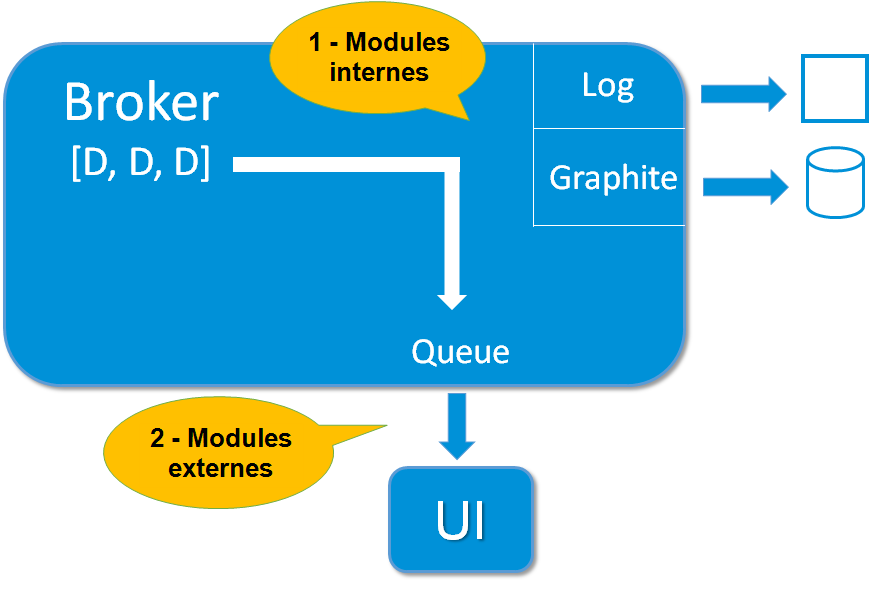
    # The broker spawn broks pusher sub process to push to external modules (like WebUI)
    # the broker will look at this worker execution time, and will kill if it timeout
    # The broker will compute the average execution time of previous workers to
    # decide about how many time this worker will take based on:
    # number of broks to send / past average send speed (broks/s)
    # If this time is reach, it means that the pusher process is killed

    # For small amount of broks to send, it should lead to ridiculously small allowed execution time
    # and the fac to spawn the sub process can be higher than this value, so we are using a minimal
    # execution timeout
    # Default: 5 (second)
    broker__manage_brok__sub_process_memorybroks_usagepusher_systemmin_reserved_memoryexecution_timeout           05

    # If a sub process cannot be started because of the protection, how many seconds In order to manage the fact that the server can slow down during this send, you can setup a
    # itratio that will be retryused andto waitincrease that the system memory is freed until it fail to startallowed timeout by multiply it
    # By defaultDefault: 5 (seconds)
    broker__manage_brok__sub_processesprocess_memorybroks_usagepusher_protection_max_retry_timesecurity_ratio                  5


    #======== Brok pusher worker ========= At the broker start without stats, this valid will be used for the timeout
    # The Broker spawn broks pusher sub process to push to external modules (like WebUI) Default: 240 (seconds)
    broker__manage_brok__sub_process_broks_pusher_max_execution_timeout           240

    # If thea sub Brokerprocess willreach looka attimeout, thisit workerwill executionbe time,killed and willrelaunched. killAfter if it timeoutmax retry,
    # the Theattached Brokermodule will computebe restarted
 the average execution time# ofDefault: previous3
 workers to
  broker__manage_brok__sub_process_broks_pusher_max_retry  # decide about how many time this worker will take based on:
    # number of broks to send /3

 past average send speed (broks/s)# broker__manage_brok__sub_process_broks_pusher_queue_batch_size:
    # If  this* timedefines isthe reach,maximum itnumber meansof thatbroks the pusher"queue process is killed

brok pusher"
    # For   small amountprocess ofwill brokshandle toper send, itto shouldexternal leadmodule to( ridiculouslylike smallWebUI allowed) execution time.
    # and the fac to spawn the sub process can be higher than this value, so we are using a minimal
    # execution timeout  * Remaining broks will be handled in next send.
    #   * IMPORTANT: increase this value can lead to error on the socket
    # Default: 5100000 (secondbroks/batch)
    # broker__manage_brok__sub_process_broks_pusher_minqueue_executionbatch_timeoutsize           5100000

    # In order to manage the fact that the server can slow down during this send, you can setup a
    # ratio that will be used to increase the allowed timeout by multiply itBroks whose serialization time exceeds this threshold will generate a warning
    # Default: 5100 (milliseconds)
    # broker__manage_brok__suboversized_data_processwarning_broksthreshold_pusher_securityserialization_ratiotime                  5100

    # AtBroks thewhose Brokerserialization starttime withoutexceeds stats, this valid will be used for the timeoutthreshold will generate an error
    # Default: 240500 (secondsmilliseconds)
    # broker__manage_brok__suboversized_processdata_brokserror_pusherthreshold_max_executionserialization_timeouttime           240

    # If a sub process reach a timeout, it will be killed and relaunched. After max retry,500


    # the attached module will be restarted======== VMWare / ESXi ==========
    # Default: 3
    broker__manage_brok__sub_process_broks_pusher_max_retry                  1 (default) = if vmware get the ESXi CPU stats value, 0 = do not get value
    vmware__statistics_compute_enable     31


    #======== Enable or not this daemon =========
    # 1 = is enabled, 0 = is disabled
    enabled                  1

}
| 
 Il est conseillé d'éditer les fichiers .cfg avec l'encodage utf-8